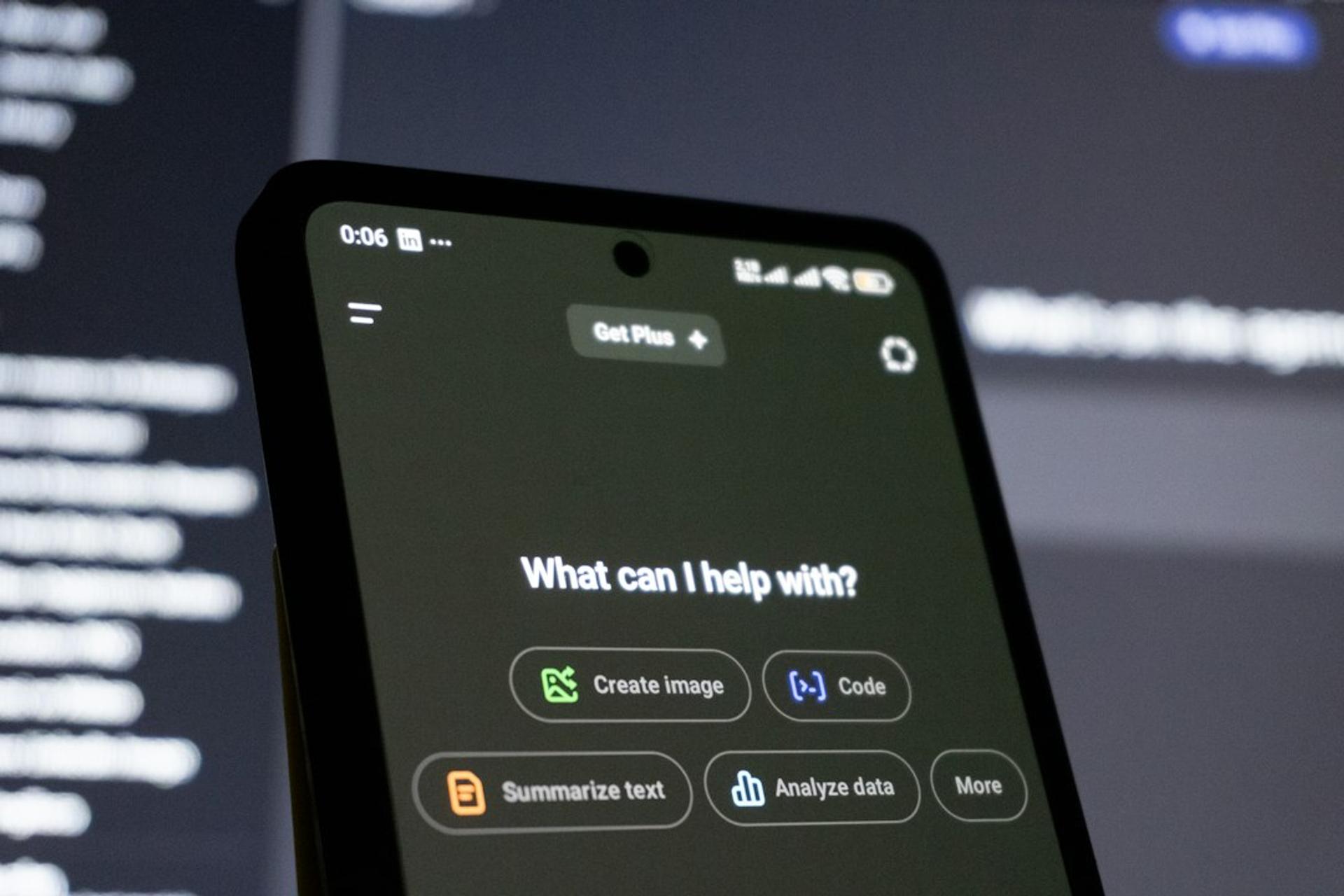
What Is GEO? Generative Engine Optimization Explained
Generative engine optimization is the practice of structuring your content so AI answer engines — Google AI Overviews, ChatGPT, Perplexity, Gemini — select, trust, and cite it inside their generated
Generative engine optimization is the practice of structuring your content so AI answer engines - Google AI Overviews, ChatGPT, Perplexity, Gemini - select, trust, and cite it inside their generated responses. It already overlaps with search: roughly 76% of AI Overview citations come from pages ranking in Google's top 10 (Ahrefs). For brands marketing in Indonesia, from Jakarta outward, that overlap is the opening.
When a premium EV brand prepared its first Indonesia launch, its marketing director hit a problem the old playbook never covered. Buyers were no longer only Googling - they were asking ChatGPT and Perplexity "which premium EV should I buy in Jakarta?" and acting on whatever answer came back. Ranking on page one was no longer the finish line. Being the source the machine quoted was.
Quick answer: Generative engine optimization is how you earn citations inside AI-generated answers instead of blue links. Rather than chasing a single ranking position, you make content easy for large language models to parse, verify, and quote - through clear structure, demonstrable authority, factual accuracy, and machine-readable formatting. It extends classic SEO; it does not replace it, and the two share most of their foundations.
Key Takeaways:
- Generative engine optimization targets citations inside AI answers (ChatGPT, Perplexity, Google AI Overviews, Gemini), not just a position in a list of links.
- The two disciplines overlap heavily - about 76% of AI Overview citations come from pages already ranking in Google's top 10 - so strong SEO stays the foundation.
- Princeton's GEO research found that adding citations, quotations, and statistics lifted a source's visibility in generative engines by up to roughly 40%, while keyword stuffing did nothing.
- For foreign brands, the real gap is local: AI answers about the Indonesian market are thin and generic, which is exactly where a specialist partner wins.
- Budget and measure generative engine optimization alongside your existing SEO program, not as a separate experiment.
What Is Generative Engine Optimization?
Generative engine optimization (GEO) is the discipline of optimizing content so generative AI search tools cite it when they build an answer. Where SEO competes for a rank in a list of links, generative engine optimization competes for a mention inside the synthesized response a user actually reads - on ChatGPT, Perplexity, Gemini, or Google's AI Overviews.
The term comes from a 2023 Princeton-led paper that coined "GEO" and tested how content changes affect AI citations (arXiv). You will also see the same idea called Answer Engine Optimization (AEO) or LLM optimization. The vocabulary is unsettled; the goal is not. You want the engine to treat your page as a trustworthy source worth repeating.
One distinction matters for decision-makers. A ranked link invites a click. A citation inside an AI answer often does not - the user may read the synthesized response and never visit your site. That changes what "winning" means: brand presence inside the answer becomes the asset, not only the referral traffic behind it.
Generative Engine Optimization vs Traditional SEO
Treat these as cousins, not rivals. Classic SEO earns the rankings; generative engine optimization earns the quote. The table below shows where they diverge.
| Dimension | Traditional SEO | Generative Engine Optimization |
|---|---|---|
| Primary goal | Rank in the list of links | Get cited inside the AI answer |
| Unit of success | Position + click-through | Citation + brand mention |
| What the reader sees | Ten blue links | One synthesized response |
| Main levers | Keywords, backlinks, technical health | Structure, authority signals, quotable facts |
| How you measure | Rankings, organic traffic | Share of AI citations, answer presence |

The overlap is larger than the differences suggest. Google has stated that its usual search best practices still apply to AI Overviews and AI Mode, and every engine must crawl and read your page before it can cite you. The Ahrefs finding - 76% of AI Overview citations drawn from top-10 pages - tells you plainly that generative engine optimization starts from a healthy SEO base, not a blank one.
How Generative Engines Choose What to Cite
Picture the engine working in two steps. First it retrieves candidate sources for a query; then it synthesizes an answer and attaches citations to the sources it leaned on. Your job in generative engine optimization is to clear both gates: be retrievable, then be quotable.
The Princeton study is the most useful evidence here. Its authors tested nine content changes and found that adding authoritative citations, direct quotations, and relevant statistics raised a source's visibility in generative engines by up to about 40% - and that keyword stuffing produced minimal gains, sometimes performing worse than the baseline. In plain terms: the tactics that game a keyword count do not carry over. The tactics that make writing genuinely more credible do.
Three qualities recur across every engine. Content must be accessible - AI crawlers can reach and read it. It must be structured - clear headings, short answers, lists, and tables the model can lift cleanly. And it must be credible - specific, sourced, and consistent with what the engine sees elsewhere about your brand. Miss any one and your page stays a candidate that never gets cited.
How to Do Generative Engine Optimization: A Practical Framework
A workable generative engine optimization program fits into seven moves. Run them in order; each one compounds the last.
- Confirm AI crawlers can reach you. Check that GPTBot, PerplexityBot, and Google-Extended are not blocked, and that key pages render without JavaScript tricks that hide the text.
- Answer the question in the first two sentences. Lead with a direct, extractable response before the context. Engines lift the clearest answer, not the slowest reveal.
- Structure for machines. Use descriptive headings, ordered lists for processes, and tables for comparisons and pricing - the formats models quote most reliably.
- Back every claim with a named, linked source. Statistics with citations are among the strongest signals the research identified; naked numbers read as filler.
- Build visible authority. First-party data, named case work, author credentials, and consistent brand facts across the web all raise citation eligibility.
- Add structured data. Article, FAQPage, and Organization schema help engines parse who you are and what each section answers.
- Measure by prompting the engines. Run your priority queries in ChatGPT, Perplexity, and Google's AI Overviews on a schedule, and track whether - and how - you appear.

Steps four and five are where most brands underinvest, and where a disciplined content partner earns its fee. If you already run a serious search program, this folds neatly into it - our Indonesia SEO services guide and technical SEO audit checklist for the Indonesian market cover the foundational layer that generative engine optimization builds on.
Work With Sagara
Got a project in mind?
Free initial consultation, no commitment. Or see our services.
Why Generative Engine Optimization Matters More in Indonesia
Ask ChatGPT a detailed question about launching a premium brand in Indonesia and the answer thins out fast. The global training data skews toward US and European markets; coverage of the Indonesian premium segment, local regulation, and Bahasa Indonesia buying behaviour is sparse and often dated. That scarcity is an opportunity. Where the answer pool is shallow, a well-sourced page can become the cited authority quickly.
This is the structural reason foreign brands should treat generative engine optimization as an Indonesia-specific play, not a global one run from headquarters. A Singapore or Munich team optimizing in English for a worldwide audience will not surface for "premium SUV dealer Jakarta" asked in Bahasa Indonesia. Local-language content, local market facts, and local proof are the signals that win here - and they are exactly what off-the-shelf APAC agencies tend to skip.

There is also a first-mover advantage across Southeast Asia. Adoption of AI search is rising fast across the ASEAN region, yet most Indonesian brands have not adjusted a single page for it. For an international brand entering the market, generative engine optimization is a chance to own the AI answer for its category before local competitors treat it as a priority. Our AI search optimization service and the dedicated page on GEO for automotive brands exist for precisely this gap.
What Generative Engine Optimization Costs for Foreign Brands
Pricing depends on scope - how much existing content needs retrofitting, how many languages, and whether it rides on an active SEO retainer. We publish ranges rather than hide them behind a sales call, because transparency is part of how we work. The figures below reflect our own engagement structure, not a market survey.
| Engagement | Typical investment | What it covers |
|---|---|---|
| Project (audit + content retrofit) | USD 5,000-50,000 (≈ IDR 78 million - 780 million) | Crawlability fix, structured-data rollout, rewriting priority pages for citation, baseline AI-visibility report |
| Monthly retainer | USD 3,000-15,000/month (≈ IDR 46 million - 230 million) | Ongoing content production tuned for generative engines, prompt-level tracking, and coordination with your SEO program |
Two honest caveats. First, generative engine optimization is not a line item you buy once and forget; AI engines change their citation behaviour often, so it behaves like SEO - a program, not a purchase. Second, anyone promising a guaranteed citation rate is selling a number no one can honestly guarantee. The engines decide. Good work raises your odds; it does not fix the outcome.
Our Methodology & Experience
Our clearest lesson on earning visibility from zero came from XPENG's 2026 Indonesia market-entry work. XPENG arrived as a premium Chinese EV with no local brand recognition, entering a category - premium EV - the market had barely met, against legacy marques trusted for decades. The common mistake is to chase awareness first and worry about positioning later. We did the opposite: one technology-first narrative built to earn both at once, carried by cinematic production and event-based social activation so the launch moment kept working across digital channels afterward.
That principle transfers directly to generative engine optimization. An AI engine, like a first-time buyer, has no prior equity to lean on - it decides whether to cite you purely on the credibility and clarity of what it reads right now. A brand with no local footprint wins the citation the same way XPENG won attention: one consistent, well-evidenced narrative, published as the clearest and most authoritative source an engine can find on that question. You can see the full engagement in our XPENG launch case study. As an AI SEO agency in Gading Serpong, Tangerang, built for international brands entering Indonesia since 2019, that is the discipline we bring to AI search.

Frequently Asked Questions
Is generative engine optimization the same as SEO?
No, but they share most of their foundation. SEO earns rankings in a list of links; generative engine optimization earns citations inside AI-generated answers. Because about 76% of AI Overview citations come from top-10 pages, strong SEO is the base layer generative engine optimization is built on, not a separate track.
Which AI engines does generative engine optimization target?
Mainly Google AI Overviews and AI Mode, ChatGPT, Perplexity, Gemini, and Claude. Each weighs sources slightly differently - some favour established publications, others reward specific, focused pages - so a sound program tests across engines rather than optimizing for just one.
Can you track whether generative engine optimization is working?
Yes, though differently from rankings. You monitor whether your priority queries surface your brand inside the engines' answers, how often you are cited, and the sentiment of the mention. Running those prompts on a fixed schedule turns a vague goal into a measurable one.
Does generative engine optimization replace my existing SEO investment?
No. It extends it. The crawlability, authority, and content quality that earn Google rankings are the same signals generative engines use to choose citations. Cutting SEO to fund generative engine optimization would weaken the foundation both depend on.
How long does generative engine optimization take to show results?
It tracks SEO timelines more than paid media - expect months, not days, for engines to recrawl, re-evaluate, and begin citing updated content. Pages that already rank well tend to show movement in AI answers sooner than brand-new ones.
Do foreign brands need generative engine optimization in Bahasa Indonesia?
If your buyers search in Bahasa Indonesia, yes. English-only content rarely surfaces for local-language AI queries about the Indonesian market, and that is where most of the category's demand sits. Local-language, locally-sourced content is the signal that wins.
Ready to Win the AI Answer for Your Category in Indonesia?
Generative engine optimization rewards brands that move before their competitors treat it as urgent. If you are a foreign brand entering Indonesia - in automotive, fashion, beauty, or premium retail - and you want to be the source AI engines cite, let's talk. Book a no-commitment Indonesia market briefing with our team: message us on WhatsApp at +62 811 804 608 or get in touch here. We'll show you where your brand stands in AI search today, and what it takes to own the answer.
Let's work together
GOT A PROJECT
IN MIND?
Tell us about your project - free initial consultation, no commitment required.
More Articles