What a Digital Agency Actually Does: A Foreign Brand's Guide to Partnering in Indonesia
What a digital agency does, how full-service and specialist models differ, and how foreign brands should evaluate Indonesia-based partners for ROI.
A digital agency designs, produces, and runs a brand's entire digital marketing operation — content strategy, social media, visual production, websites, and paid media. For foreign brands, this matters because Indonesia now has more than 220 million internet users (APJII), and in a market as competitive as Jakarta, premium brands can no longer win on "posting regularly" alone. An agency fills that gap.
If you are a CMO or brand manager at a US, Singapore, or Australia-based company weighing an Indonesia-based agency partner, this guide explains what these firms actually do — beyond the pitch deck — and how to evaluate them through a B2B ROI lens.
Why This Matters for Foreign Brands Entering Indonesia
Indonesia is the fourth-largest country by population and the largest digital economy in Southeast Asia. For a foreign brand, the opportunity is obvious; the operating reality is less so. Consumer behavior, platform preferences (TikTok and Instagram carry disproportionate weight here), local payment habits, and visual expectations differ sharply from Western markets. A campaign that performs in Sydney or San Francisco rarely transfers one-to-one to Jakarta or Surabaya.
This is the core reason foreign brands partner with a local or regional digital agency rather than stretching a home-market team across time zones. The agency becomes your on-the-ground translation layer — not of language alone, but of culture, platform nuance, and creative convention. The question for you is not whether to localize, but which operating model and which partner will protect your brand standards while doing it.
Consider a global automotive brand launching a new model line in Indonesia. (A useful parallel: when a premium automotive distributor sets a cross-platform content rhythm for Indonesia's premium car audience, the work is far more than uploading photos of cars.) There are strict global brand guidelines, model launch cycles, and a visual-quality bar that has to match the brand's caliber. That is the real picture of what a digital agency does — considerably deeper than "making content."
Short answer: A digital agency is an external partner that takes over a brand's digital marketing function — fully or in part. That includes strategy, creative production (photo, video, design, motion), social media management, website development, SEO, and digital advertising. Unlike a freelancer, an agency works with systems, a multidisciplinary team, and accountability for outcomes — so the brand can focus on its core business while execution quality holds.
Key points:
- A digital agency combines strategy, creative production, and distribution in one team — not a single skill like a freelancer.
- There are two main models: full-service (one door for everything) and specialist (focused on one vertical or service). The right choice depends on how complex your needs are.
- The real value is not "number of posts" but the production system: a consistent framework, in-house quality control, and a calendar tied to the client's business cycle.
- The most decisive selection criteria are vertical fit (does the agency understand your segment?), real portfolio proof, and transparency on scope and pricing.
- For automotive, fashion, and beauty brands, positioning fit matters far more than the lowest price.
What a Digital Agency Is — and Why Brands Need One
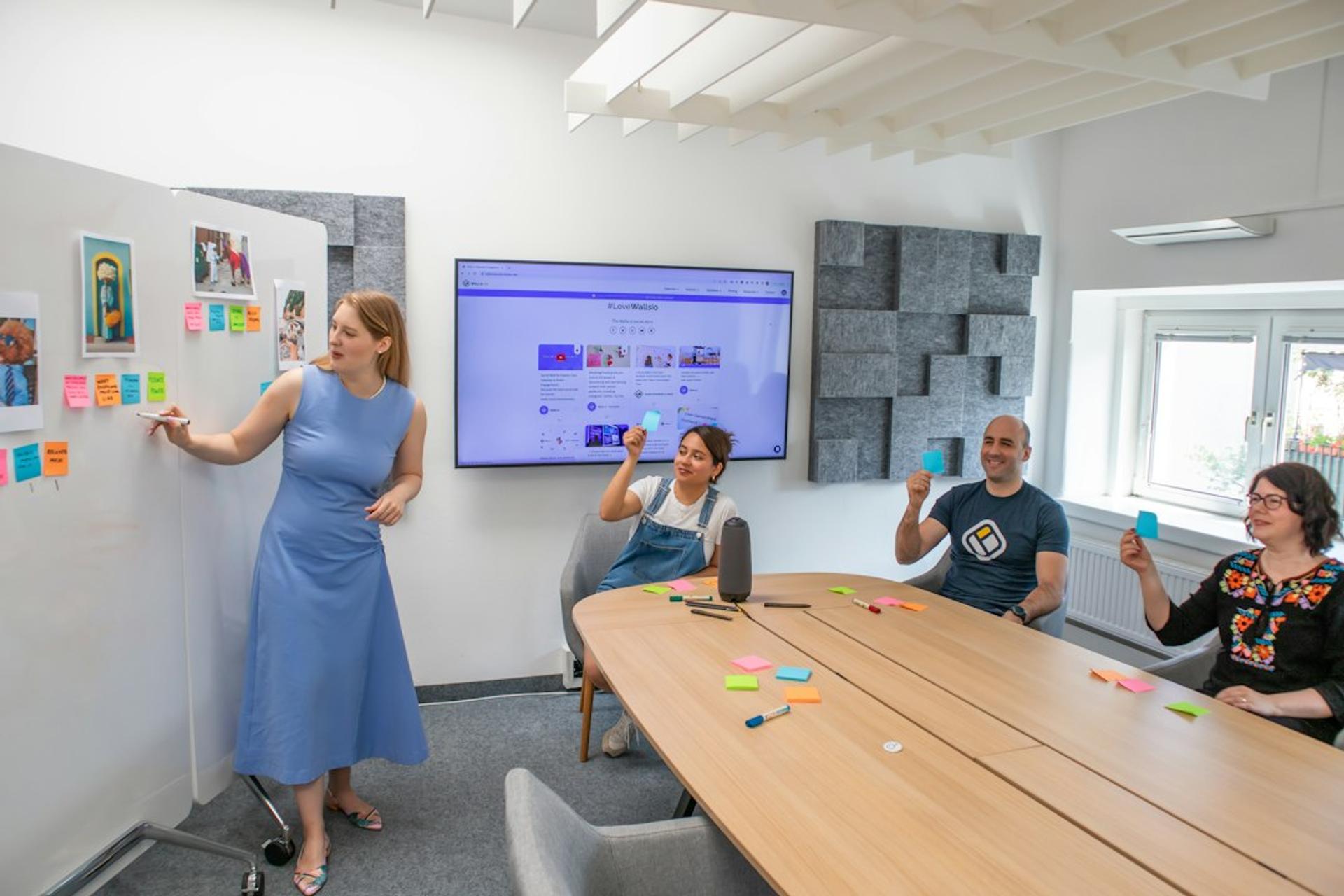
Picture a marketing director at an automotive brand who has to manage a model launch, event activation, daily content across three platforms, video production, and performance reporting — all at once. No one or two internal hires can carry that. A digital agency exists to fill the gap: a multidisciplinary team that combines strategist, creative, visual producer, social media specialist, and analyst in a single working unit.
By definition, a digital agency is a service provider that manages a brand's presence in the digital space in an integrated way. They do not merely "run ads" or "fill a feed." They translate business objectives into strategy, then execute that strategy through concrete, measurable assets.
Why do premium brands choose an agency over building a large internal team? Three reasons: speed, depth of expertise, and cost flexibility. Building photo, video, design, and ads capabilities in-house takes years and significant investment. The right agency gives you access to that capacity from day one — a meaningful advantage when you are entering a new market and cannot afford a slow ramp.
To make it concrete: running three-platform content at a premium standard requires, at minimum, a content strategist, copywriter, photographer, videographer, editor, graphic designer, and ads specialist. That is seven roles, each with a salary, equipment (cameras, lenses, lighting, software licenses), and management overhead of its own — plus the risk when one person resigns mid-campaign. Through an agency, a brand pays for a whole team's capacity without carrying that structural burden, and can scale scope up or down with the business season. For a foreign brand testing market fit, that flexibility is often the difference between a measured entry and an expensive standing cost.

One distinction worth drawing: a digital agency is not the same as a marketing agency in the general sense. A marketing agency may cover offline channels, PR, and traditional events. A digital agency focuses on digital channels — though the line between the two keeps blurring as brands move digital-first.
The Core Services a Digital Agency Delivers
The scope of a digital agency is broader than most people assume. These are the services that most often form the backbone of their work:
- Digital strategy and planning — audience research, positioning, and campaign roadmap before a single asset is produced.
- Social media management — content planning, production, publishing, and community management across platforms.
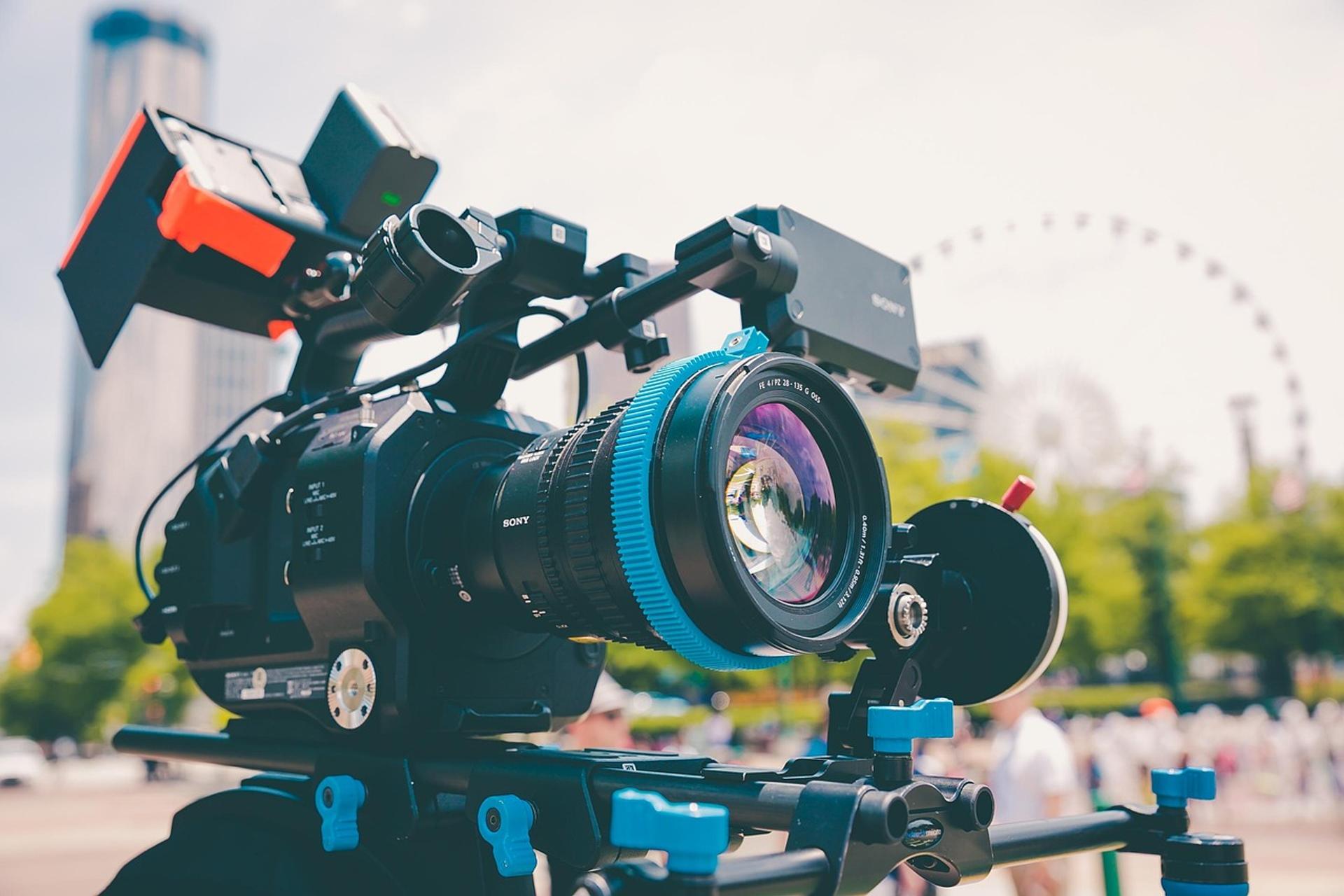
- Creative production — product photography, lifestyle photography, video, and design aligned to brand guidelines.
- Motion design and animation — reveal campaigns, explainers, and dynamic content for product launches.
- Website and SEO — site development, technical optimization, and content that drives organic traffic.
- Digital advertising — managing Meta, Google, and TikTok ads with data-driven optimization.
- Event coverage — documenting launches and brand activations so they live on across digital channels.
Not every agency offers all seven at the same depth. This is where their operating model determines the quality of the result. Brands that need cross-service execution usually look for a full-service digital agency so they do not have to coordinate many separate vendors — a real concern when you are managing that coordination from another country and time zone.
One point competitors rarely raise: service quality depends heavily on whether production is done in-house or handed off to a chain of subcontractors. In-house production gives full quality control — a non-negotiable requirement for handling a brand with high visual standards.
A simple example: if product photography goes to a freelance photographer, design to another studio, and copy to a third writer, every handoff opens room for misinterpretation. Colors can drift from the official palette, shooting angles may miss the guidelines, or copy tone shifts from post to post. With in-house production, a revision gets decided in one room — not across a multi-day email chain. For a foreign brand that cannot be physically present to supervise, this consolidation is a direct safeguard on brand integrity.
Work With Sagara
Got a project in mind?
Free initial consultation, no commitment. Or see our services.
Full-Service vs. Specialist: Two Digital Agency Models
A question that comes up constantly from CMOs at premium brands: is it better to use an all-rounder agency or one focused on a single area? The answer depends on how complex your needs are and what growth stage the brand is in.
A full-service agency suits a brand that wants one partner to run its entire digital ecosystem. A specialist agency fits when a brand has a very focused need — SEO only, say, or video production only. But note: "full-service" does not automatically mean the strategy is strong, and "specialist" does not always mean narrow.

| Aspect | Full-Service Agency | Specialist Agency |
|---|---|---|
| Service scope | Strategy through cross-channel execution | Focused on 1–2 services or one vertical |
| Best for | Brands needing one integrated partner | Focused, technical needs |
| Vendor coordination | One door | Requires several partners |
| Depth of expertise | Broad, varies by team | Deep in its specialty |
| Brand consistency | High (single hand) | Depends on cross-vendor integration |
| Risk | Uneven quality across services | Gaps in areas not covered |
There is a third model that is increasingly relevant: the specialist vertical agency — an agency that is full-service but focuses on a particular vertical such as automotive, fashion, or beauty. This model combines breadth of service with depth of segment understanding. For brands in a segment with specific visual codes and a defined audience, vertical fit often matters more than a long list of services.
For example, an agency that routinely handles premium automotive accounts already understands launch-cycle cadence, the visual language of the category, and the expectations of an aspirational buyer. A foreign brand gets that fluency without having to teach it — which shortens the ramp and lowers the risk of off-brand work in an unfamiliar market.
How a Foreign Brand Should Evaluate an Indonesia-Based Agency
The pitch meeting will always look good. Your job is to look past it. Four criteria separate a partner that will protect your ROI from one that will quietly erode it:
1. Vertical fit. Does the agency have demonstrable experience in your category? Ask to see work in your segment specifically, not a generic reel. An agency that has run premium or regulated categories in Indonesia already knows the compliance edges and the cultural tripwires.
2. Portfolio proof, not promises. Request case studies with before/after context: what the brand's situation was, what the agency did, and what moved. Be wary of metrics presented without baselines. Reputable agencies publish real case work — reviewing an agency's blog and case library is a fast way to gauge both competence and transparency.
3. Scope and pricing transparency. Insist on a clear scope of work: deliverables, revision rounds, turnaround times, and what triggers additional cost. Cross-border engagements fail most often on unstated assumptions, so get them in writing.
4. In-house vs. subcontracted production. Ask directly how much of the creative work is produced in-house. For brands with high visual standards, this single answer predicts how consistent your output will be.
A note on price: for automotive, fashion, and beauty brands, positioning fit matters far more than the lowest quote. The cheapest option that produces off-brand work is the most expensive choice you can make, because it costs you brand equity you then have to rebuild.
Practical Considerations for Cross-Border Engagements
Time zones, contracting, and reporting cadence are where foreign-brand engagements either settle into rhythm or stall. A few practical points:
- Reporting cadence. Agree on a monthly performance report tied to your KPIs, plus a lighter weekly pulse. Insist that reports connect activity to outcomes, not just output volume.
- Approval workflow. Define who signs off, and by when. A clear approval SLA prevents the time-zone lag from slowing your launch calendar.
- Brand governance. Share your brand guidelines early and have the agency demonstrate adherence in a paid pilot before committing to a long contract.
- Payment and contracting. Clarify currency, invoicing cycle, and local tax treatment up front. These administrative details derail more cross-border engagements than creative disagreements do.
A small, paid pilot — one campaign or one month of content — is the single best de-risking move for a foreign brand. It converts an abstract pitch into observable behavior: how they take direction, how they handle revisions, whether their output matches your standard.
The Real Value: A Production System, Not a Post Count
Strip everything back and the value of a digital agency is not the number of posts it ships. It is the system behind them: a consistent creative framework, in-house quality control, and a content calendar that tracks your business cycle rather than a generic template. That system is what holds brand quality steady across months of execution — the thing a rotating cast of freelancers cannot reliably deliver, and the thing a foreign brand needs most when it cannot be in the room.
For a brand entering or scaling in Indonesia, the right agency is less a vendor and more an operating partner: the team that lets you focus on the business while digital execution stays on-standard, on-cadence, and accountable to results.
Frequently Asked Questions
What does a digital agency actually do day to day?
It runs the brand's digital marketing as an integrated operation: setting strategy, producing creative (photo, video, design, motion), managing and publishing social content, building and optimizing websites, running paid media, and reporting on performance. The daily work is a mix of production, publishing, community management, and optimization against agreed KPIs.
Why would a foreign brand hire an Indonesia-based agency instead of using its home team?
Because consumer behavior, platform weighting (TikTok and Instagram are especially strong in Indonesia), creative conventions, and compliance differ sharply from Western markets. A local agency provides on-the-ground cultural and platform fluency, works in the right time zone for local audiences, and removes the cost and delay of building that capability from scratch.
How much does a digital agency in Indonesia cost compared to Western markets?
Rates are generally lower than in the US, Singapore, or Australia for comparable scope, which is part of the appeal. But pricing varies widely by model (full-service vs. specialist), production depth (in-house vs. subcontracted), and vertical expertise. Evaluate on scope transparency and value, not headline rate — the lowest quote often carries the highest hidden cost in off-brand work.
Full-service or specialist — which should I choose?
Choose full-service if you want one integrated partner managing the whole digital ecosystem and value brand consistency. Choose a specialist if your need is narrow and technical (SEO only, video only). If your brand sits in a visually demanding vertical like automotive, fashion, or beauty, a specialist vertical agency — full-service but focused on your category — often gives the best balance of breadth and depth.
How do I verify an agency can protect my global brand standards?
Ask how much production is done in-house (more in-house means tighter quality control), request category-specific portfolio work with real context and baselines, share your brand guidelines early, and run a small paid pilot before signing a long contract. The pilot shows you how they take direction and handle revisions before you commit.
How do I manage an agency across time zones?
Set a clear approval SLA (who signs off, by when), agree on a monthly KPI-tied report plus a lighter weekly pulse, and define the revision and escalation path in writing. Most cross-border engagements stall on unstated assumptions, not creative disagreement — so document scope, cadence, and payment terms before work starts.
What's the difference between a digital agency and a marketing agency?
A marketing agency may cover offline channels, PR, and traditional events alongside digital. A digital agency focuses specifically on digital channels — strategy, content, web, SEO, and paid media — though the distinction continues to blur as brands move digital-first.
Work With Us
Ready to Grow Your Brand with Sagara Ruang?
From social media content to motion branding - free initial consultation, no commitment required.
Let's work together
GOT A PROJECT
IN MIND?
Tell us about your project - free initial consultation, no commitment required.
More Articles