10 All-in-One Photo and Video Editing Apps for Brand Content in 2026
The best all-in-one photo and video editing apps for brands operating in Indonesia — CapCut, Canva, Adobe Express and more, evaluated for B2B production speed and ROI.
10 All-in-One Photo and Video Editing Apps for Brand Content in 2026
An all-in-one photo and video editing app lets your team retouch images and cut video clips inside a single interface — no exporting, re-importing, or bouncing between tools. For brands producing content in Indonesia, the three most widely adopted are CapCut, Canva, and Adobe Express. That matters more here than in most markets: Indonesia has over 200 million internet users (APJII), the majority consuming visual content daily, and the competitive pace of production in cities like Jakarta and Surabaya is unforgiving.
If you are a marketing director, CMO, or brand manager evaluating whether to run content production in Indonesia — or through an Indonesia-based agency partner — this guide is written for you. You do not need to know the local tooling landscape by heart. You need to understand which tools produce brand-safe output fast, where the ceilings are, and how tool choice affects the total cost and consistency of a content operation.
Quick answer: The best all-in-one photo and video editing app is the one that combines image editing (retouch, crop, filters) and video editing (trimming, captions, transitions, audio) in one workflow. CapCut leads for social video, Canva for design plus lightweight video, and Adobe Express for professional-grade output, while Picsart and InShot excel at fast daily content. The right choice depends on your target platform, the complexity of the work, and who on your team is actually doing the editing.
Key Takeaways
- CapCut, Canva, and Adobe Express are the three most mature all-in-one options for combined photo-and-video needs in 2026.
- Most of these apps are freemium — free for the basics, paid subscriptions for premium features, watermark-free exports, and commercial-use assets. Budget the subscription, not the download.
- For daily, high-volume social content, mobile apps are more than enough. For premium brand campaigns, the app is only a tool — consistency still requires a production system.
- The selection criteria that actually matter: target platform, your team's learning curve, commercial usage rights for assets, and export quality.
Why a Foreign Brand Should Care About This
If your company is entering or already operating in the Indonesian market, content velocity is not a nice-to-have. Indonesian audiences are among the most active on Instagram, TikTok, and YouTube globally, and platform-native content — vertical, fast, culturally fluent — outperforms repurposed international creative by a wide margin. A US or Singapore brand that ships one polished asset a week will lose share of feed to local competitors shipping ten.
That is where tool selection becomes a strategic decision rather than an operational footnote. The apps below determine how quickly a small in-market team (or an agency partner) can turn a brief into published content, how consistently that content holds your brand identity, and how much of your budget goes to headcount versus output. When you evaluate an Indonesia-based agency, asking which production stack they run is a fair, revealing question — it tells you whether they are built for speed and consistency or improvising per project.
Why One App for Both Photo and Video Matters
Picture a fragmented workflow: edit a photo in one app, save it to the gallery, open a separate video app, re-import, then export again. Every handoff adds time and risks quality loss through re-compression. An all-in-one app removes that friction.
The benefits are concrete. One asset library — photos, video, fonts, music — lives in a single place. Visual consistency is easier to maintain because filters and templates carry across formats. For a small team or a solo content creator, this means producing more without adding people, which directly improves the unit economics of a content program.
But there is an honest trade-off worth naming. A jack-of-all-trades app is rarely as strong as a specialist in any single discipline. Skin retouching in a dedicated photo app is usually smoother; color grading in a professional video editor goes deeper. For day-to-day brand content, this compromise is barely noticeable. For hero campaigns, the ceiling becomes visible — and at that point the conversation shifts toward a more controlled creative content service, where the output is engineered rather than assembled on a phone.
When we handle social media production for premium clients, speed is not a luxury — a single activation can demand detailed product photography and a ready-to-post video reel on the same day. A marketing director at a premium brand does not have time to open five different apps for one post. Choosing a single app that manages both photo and video is often a small decision with an outsized effect on production rhythm.
The 10 All-in-One Photo and Video Editing Apps
The list below runs from the most versatile to the most niche. All are available for Android and iOS; several also offer desktop or web versions, which matters if part of your team works from a laptop.
1. CapCut
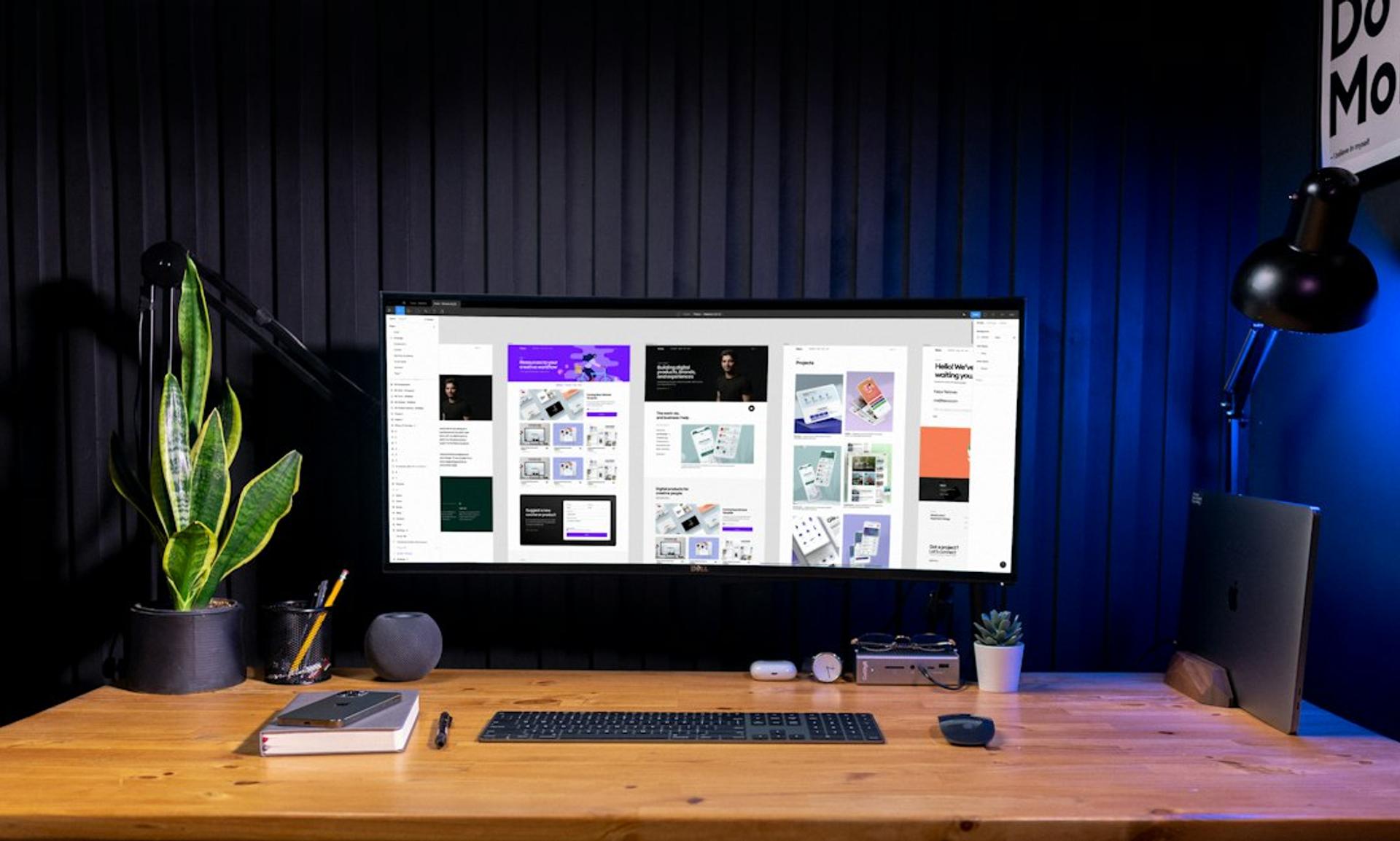
ByteDance's video editor has become the de facto standard for short-form content. Its core strength is video: precise trimming, auto-captions, trend-driven effects, and thousands of ready-made templates. Photo features have grown quickly too — retouching, AI-based object removal, and static design templates. It is the right fit for any team whose primary output is Reels, TikTok, or Shorts. The free tier is genuinely capable; a Pro subscription unlocks premium assets and higher export resolution. For a fuller picture of video-first options, our guide to free video editing apps without watermarks goes deeper. Official reference: the CapCut site.
One procurement note for foreign brands: CapCut's ownership and data-handling have drawn regulatory scrutiny in some Western markets. If your legal team has restrictions on ByteDance-owned tools, factor that in before standardizing on it.
2. Canva
Starting life as a design tool, Canva has become the broadest all-in-one platform of the group. You can design static feed posts, edit photos (background remover, magic edit), and assemble video on a simple timeline. Its standout feature for marketing teams is the Brand Kit, which locks colors, fonts, and logos so output stays consistent across contributors — invaluable when multiple people or an agency touch your content. The learning curve is gentle, so non-designers on your team can be productive. The weakness: video control remains basic compared to a dedicated editor. Pricing and Pro-tier details are on the Canva site.
For a distributed brand — headquarters in one country, production team in Indonesia — Canva's shared Brand Kit and team libraries make it one of the easiest ways to keep on-brand across borders.
3. Picsart
Picsart balances photo and video well. On the photo side, its toolset is deep: layering, masking, artistic effects, and object removal. The video side offers trimming, animated text, and a respectable range of effects. Its large user base means the community template library is abundant. This app suits creators who want an artistic touch beyond simple cut-and-paste. It runs a freemium model with a Gold subscription for premium assets and clean exports.
4. Adobe Express
The streamlined version of the Adobe ecosystem brings professional quality to a mobile format. Photos are backed by Photoshop-class technology (accurate background removal, tidy color correction), while video offers trimming, animated templates, and Adobe Stock integration. Its selling point is output that feels brand-safe and polished. For a brand that wants to graduate from consumer editors without jumping to full desktop software, it is a sensible bridge. Official product info at Adobe Express.
For B2B buyers who already hold Creative Cloud licenses, Express often folds into existing agreements and asset governance — a real advantage when compliance and licensing audits matter.
5. InShot
InShot is built for speed on social content. It handles automatic aspect ratios for each platform, fast text and stickers, plus lightweight photo editing in one place. The interface is intuitive — widely used by daily creators who need a post ready in minutes. It is not the choice for complex projects, but for high volume at a fast tempo, InShot is hard to beat. Watermark-free export is available on the paid tier.
6. VivaVideo
VivaVideo offers full video editing plus photo and collage tools. Its feature set is rich: keyframe animation, transition effects, and music templates. It suits creators who like to experiment with style. Note that its free version applies a watermark — for brand use, a paid subscription is mandatory to keep output clean. Verify current licensing terms before rolling it out at scale.
7. PowerDirector
CyberLink's PowerDirector brings a desktop-editor feel to mobile: multi-track timeline, chroma key (green screen), and video stabilization. Its photo side helps with basic correction and composition. PowerDirector targets users who are serious about video control but still want to work from a phone. The learning curve is a little steeper, in proportion to its capability — plan for a short ramp-up if your team adopts it.
8. Meitu
Meitu is popular for beautification and a soft aesthetic — portrait retouching, skin filters, and stylized short video. For beauty, lifestyle, or any brand that prioritizes a smooth, polished look, Meitu delivers fast results with a distinctive character. Its strength is portrait photography; its video features follow the same style. Freemium with a VIP subscription. Note the aesthetic is opinionated — excellent for beauty and lifestyle, less neutral for corporate or B2B visuals.
9. Filmora (Wondershare)
Filmora shines brightest on desktop, but its mobile version stays versatile: clean video editing, cinematic transitions, and supporting photo tools. The Wondershare ecosystem makes it easy to move a project between phone and computer. It is a compelling choice for teams that want a single cross-device workflow for more polished results — particularly useful when a producer starts on mobile and finishes on a laptop.
10. Fotor
Fotor closes the list as a web- and mobile-based all-in-one with an emphasis on AI: photo enhancer, background remover, plus lightweight video editing and a collage maker. Because it is web-based, it is practical for teams that want to work in a browser without installing software — handy for cross-border teams collaborating on shared machines or reviewing work from headquarters.
Work With Sagara
Got a project in mind?
Free initial consultation, no commitment. Or see our services.
How to Choose: A Decision Framework for B2B Buyers
Instead of picking the most popular app, pick the one that fits your operating reality. Four criteria decide it.
Target platform. If your growth channel is TikTok and Instagram Reels, prioritize a video-first tool like CapCut or InShot. If you produce a mix of static graphics, carousels, and occasional video, Canva covers more ground with less friction.
Team learning curve. Be honest about who will operate the tool. A non-designer marketing coordinator will be productive in Canva far faster than in PowerDirector. Tool sophistication that your team cannot use is a cost, not an asset.
Commercial usage rights. This is where brands get burned. Free tiers often restrict commercial use, embed watermarks, or license stock assets only for personal projects. Before you standardize, confirm that fonts, music, and stock media are cleared for commercial brand use. For a foreign brand with a legal team, treat this as a licensing review, not a checkbox.
Export quality. Daily social content tolerates compressed output. A paid campaign running behind ad spend does not. Match export resolution and bitrate to where the content will run and how much money sits behind it.
Where Apps End and a Production System Begins
Here is the strategic point most tool round-ups miss: for daily, high-volume content, these apps are genuinely sufficient, and you should not over-engineer. But a campaign that carries real budget — a product launch, a brand film, a premium activation — exposes the ceiling of app-based production. Consistency at scale is not a feature you download. It comes from a system: briefs, brand governance, a review pipeline, and people who own quality.
That is the honest line between doing it in-house on a phone and engaging a partner. If your Indonesian content is high-volume and low-stakes, equip a small team with Canva plus CapCut and let them ship. If it is brand-defining, the tool matters less than the production discipline around it — and that is a different conversation entirely.
Frequently Asked Questions
Which app is best for a foreign brand just entering the Indonesian market?
Start with Canva for its Brand Kit and gentle learning curve, paired with CapCut for platform-native short video. Together they cover roughly 80% of daily content needs and let a small in-market team stay on-brand without deep design skills. Layer in a specialist tool only when a specific campaign demands it.
Are the free versions safe for commercial brand use?
Not always. Many free tiers watermark exports, cap resolution, or license stock assets for personal use only. For any content tied to a brand or ad spend, budget for the paid subscription and confirm commercial rights on fonts, music, and stock media before publishing. Have your legal team review the terms if that is your standard practice.
Do we still need an agency if these apps are this capable?
For high-volume daily social content, a trained internal team with the right apps is often enough. For brand-defining campaigns — launches, hero films, premium activations — the constraint is not the tool but the production system: creative direction, brand governance, and consistent quality at scale. That is when a partner earns its cost. You can see how we structure that in our creative content service.
How important is platform-native content in Indonesia specifically?
Very. Indonesian audiences are among the most active globally on TikTok, Instagram, and YouTube, and vertical, fast, culturally fluent content consistently outperforms repurposed international creative. A tool that makes it easy to produce platform-native formats quickly is a genuine competitive advantage, not a convenience.
What should we ask an Indonesia-based agency about their production stack?
Ask which tools they standardize on, how they enforce brand consistency across projects, whether they hold commercial licenses for assets, and how they scale output without a proportional rise in cost. The answers reveal whether they run a repeatable system or improvise per project — a strong signal of the consistency you can expect.
Is CapCut's ownership a concern for our brand?
CapCut is owned by ByteDance, which has faced regulatory and data-handling scrutiny in some Western markets. If your organization restricts ByteDance-owned tools, favor Adobe Express or Canva for standardized workflows and treat CapCut as optional rather than core. Confirm current policy with your legal or compliance team before rolling it out.
The Bottom Line
The best all-in-one editing app is the one that matches your platform, your team, and your stakes. For most brands producing content in Indonesia, Canva plus CapCut is a fast, affordable, on-brand foundation, with Adobe Express as the professional step up. But remember the ceiling: apps deliver speed and volume, not brand-defining consistency. For content that carries real budget and reputation, invest in the production system — not just the software.
Work With Us
Ready to Grow Your Brand with Sagara Ruang?
From social media content to motion branding - free initial consultation, no commitment required.
Let's work together
GOT A PROJECT
IN MIND?
Tell us about your project - free initial consultation, no commitment required.
More Articles